


24/01/25
How language barriers are impeding science learning
Send to a friend
The details you provide on this page will not be used to send unsolicited email, and will not be sold to a 3rd party. See privacy policy.
Listen on Apple PodcastsListen on SpotifyListen on Google PodcastsListen on StitcherListen on OvercastListen on Amazon MusicListen on CastboxListen on Podcast AddictListen on Pocket CastsListen on iHeartRadioListen on PandoraRSS Feed
Season 4, Episode 54
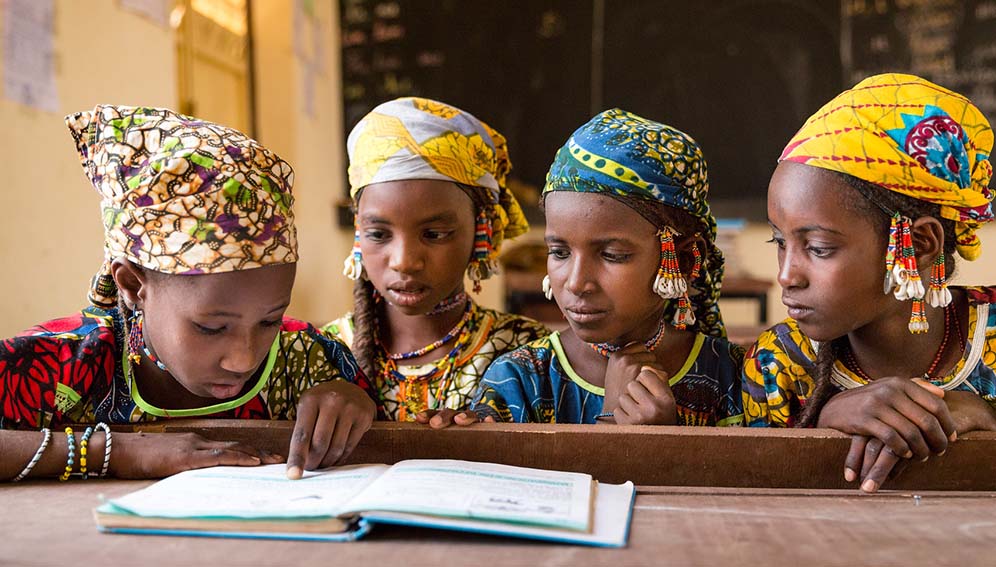
Language plays a crucial role in education, shaping how students learn and connect with the world.
Yet, according to UNESCO, 40 per cent of the global population does not have access to education in a language they speak or understand.
This gap presents a significant barrier to effective learning, particularly in science education, where technical terms and complex concepts are often difficult to understand in unfamiliar languages.
In our first podcast episode of 2025, our reporter, Michael Kaloki, explores the importance of teaching science in local languages in Africa where multiple indigenous languages are spoken.
Adeyemi Ademowo, a Nigerian professor of social anthropology and African cultural studies at Afe Babalola University in Nigeria’s Ekiti state, wants to see children in rural areas taught in their local language.
Grace Kago, a Kenyan post-doctoral fellow in biomedical sciences at the University of Texas, says teaching science in indigenous languages can foster public trust in science and encourage community participation in scientific discussions.
How can multilingual education systems be implemented in countries with numerous languages? Algerian researcher Zehlia Babaci-Wilhite proposes some innovative solutions, including bilingual and multilingual education models.
Please tune in to the episode to find out how she suggests implementing this approach.
This podcast was supported by the Science Granting Councils Initiative which aims to strengthen the institutional capacities of 18 public science funding agencies in Sub-Saharan Africa.
Do you have any comments, questions or feedback about our podcast episodes? Let us know at podcast@scidev.net
Africa Science Focus is produced by SciDev.Net and distributed in association with your local radio station
This piece was produced by SciDev.Net’s Sub-Saharan Africa English desk.