

Send to a friend
The details you provide on this page will not be used to send unsolicited email, and will not be sold to a 3rd party. See privacy policy.
Mobile phone technologies could prevent tuberculosis (TB) patients from abandoning treatment — a problem that can affect up to 20 per cent of patients in developing countries.
Patients abandon treatment due to side-effects or because they feel better, rendering them infectious for longer, and making them more likely to relapse and die or develop resistant strains.
The WHO recommends a regime known as DOTS (directly observed treatment, short course) in which a health worker watches the patient take their antibiotics. But this is inaccessible for many patients, expensive and human-resource intensive.
To help combat this, companies are harnessing increasing access to mobile phones — even in the poorest parts of the world — to remind patients to take their medication.
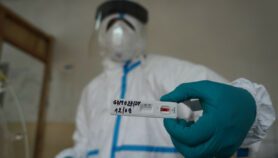
The technologies include a pill bottle that sends a message to a central server when opened; patients dialling into a server after taking medication and patients generating a code to send to a server by urinating on a diagnostic which detects whether they have taken their drug.
Questions have been raised as to whether mobile phone technologies can effectively replace face-to-face contact, but others note that mobile phone technologies enable health workers to monitor a greater number of patients, as well as freeing them to focus on patients who require most attention.
Link to full article in The Lancet*
*Free registration is required to view this article
More on Disease