

Science: An anchor for the storm
Science and technology can contribute significantly to mitigating the impact of tropical cyclones.
In this Spotlight we focus on developing countries around the Indian Ocean that are particularly vulnerable to cyclones. How can they harness science and technology for better forecasts and disaster mitigation, and how can they cope with the impacts?

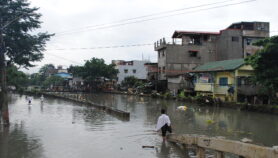
(Photo credit: Flickr/Oxfam International)
Science and technology can contribute significantly to mitigating the impact of tropical cyclones.
Greg O'Hare explains the what, why, when and how of cyclones, and reviews their effects in South Asia.
Bay of Bengal cyclones are often hugely destructive. India hopes to cut deaths in the region through improved storm prediction and research.
Investing in detailed maps of potential cyclone damage will save lives in Indian Ocean countries, says Shishir Dube.
Preparing for cyclones can save lives, but to save livelihoods nations must also help people adapt to cyclones' impacts, says Saleemul Huq.
Disaster research can help future interventions, but urgency should never excuse exploitation of survivors, says Athula Sumathipala.
Combining statistical and physical models offers the best hope of predicting changes in local cyclone risks in the Indian Ocean, says Mark Tadross.
An analysis of integrating disaster management in developing countries in the context of increased disaster risk from climate change.
8 October 2008 | EN
Source: UN-DESA