


Send to a friend
The details you provide on this page will not be used to send unsolicited email, and will not be sold to a 3rd party. See privacy policy.
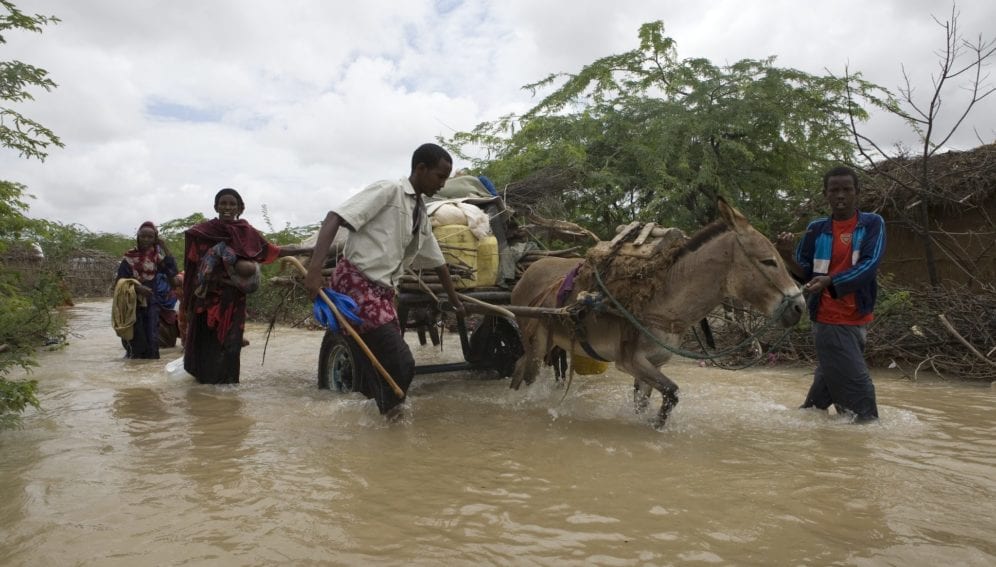
Advances in forecasting and technology promise more effective early warning systems for natural hazards. What stands between disaster alert and action, and how can the impact of early warning tools be enhanced?
Editorials
Using disaster warning tools to their best potential
Stronger links between scientific tools and the environment in which they operate can improve the effectiveness of early warning.16/11/12
Opinion
Why disaster warning and development go hand in hand
To engage people in early action we must understand their experience, behaviour and constraints, says disaster policy expert Andrew ...15/11/12
Opinion
Understanding uncertainty to prevent humanitarian crises
Dialogue enables scientists and communities to work with uncertain information, say humanitarian policy experts Emma Visman and colleagues.15/11/12
Opinion
How Cuba turns early warning into joined-up action
Cuba's early warning approach holds lessons for other countries, write disaster risk reduction specialists Veronica F. Grasso and José ...15/11/12

More on Capacity building










Script media release
Journalists offered ‘big break’ mentoring opportunity from Radio Nigeria
03/04/19