


17/02/26
UK aid cuts demand repair, not retreat to save lives
By: Katie Husselby
Send to a friend
The details you provide on this page will not be used to send unsolicited email, and will not be sold to a 3rd party. See privacy policy.
UK aid cuts demand justice-led solutions such as debt restructuring to repair the harm, writes Katie Husselby, director of Action for Global Health.
[LONDON/SciDev.Net] When the UK stepped back from aid, families around the world paid the price.
In South Sudan, UK aid reductions in 2021 left around 200 health facilities—including major hospitals—without support, sharply restricting access to lifesaving care in a country already facing conflict, displacement and climate shocks. Clinics closed, health workers went unpaid and people were left without even the most basic services.
This is not an isolated case. Across fragile and crisis-affected settings, UK aid cuts are accelerating a dangerous retreat from global health at the very moment when needs are rising fastest.
Humanitarian and health systems are under unprecedented strain. Climate shocks are fuelling disease outbreaks, flooding clinics and disrupting food systems worldwide. Conflict and displacement are driving malnutrition and insecurity in many countries. At the same time, international support is shrinking.
The UK government’s decision a year ago to reduce the aid budget further—from 0.5 per cent to 0.3 per cent of national income—risks compounding a crisis already worsened by cuts by the US and other major donors. Evidence from previous UK reductions shows what happens when support is withdrawn abruptly: clinics close, medicines run out and preventable illnesses rise.
Vulnerable communities
Women and girls are among those hit hardest. Analysis by Save the Children UK shows that UK aid cuts to family planning and nutrition could mean 44 million fewer women and girls receiving support in 2026 compared with 2019—a stark signal of what continued retreat means for health, rights and survival.
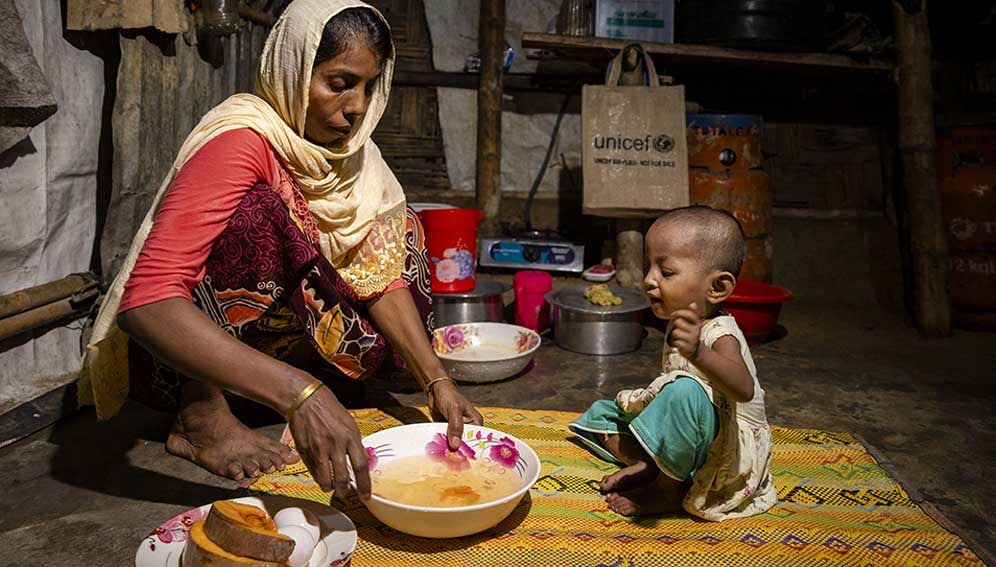
In Bangladesh’s Rohingya refugee camps—the largest refugee settlement in the world—chronic underfunding has already led to food ration cuts, shortages of essential medicines and rising disease risk. Severe acute malnutrition among children rose by 27 per cent in a single year, from February 2024-5, while health and water services remain stretched to breaking point.
In Yemen, years of conflict and economic collapse have left health facilities overwhelmed. MSF-supported inpatient feeding centres have reported bed occupancy rates of up to 200 per cent during peak malnutrition seasons, forcing impossible choices about who receives care.

And in Afghanistan, paediatric and neonatal intensive care units are routinely operating far beyond capacity, with children arriving too late for treatment because families can no longer afford or access care.
These are not abstract budget lines. They are missed vaccinations, untreated infections, closed maternity wards and lives lost.
When health systems weaken, the consequences do not stop at national borders. Disease outbreaks spread faster. Antimicrobial resistance accelerates. Climate-linked shocks become health emergencies.
As recent reporting has shown, the cumulative impact of US aid freezes and UK aid cuts risks undoing decades of progress on HIV, malaria, tuberculosis and maternal health—with women and children bearing the heaviest burden.
The question facing the UK is no longer whether aid matters—but what kind of global role it wants to play.
Repair, not retreat
Repair is not only about restoring funding levels, important as that is. It is about how resources are mobilised, shared and governed—and who has power in shaping solutions.
A justice-led approach starts with recognising that the people most affected by poverty, climate impacts and fragile health systems must have a real say in the decisions that shape their lives.
That means shifting away from short-term, top-down models designed far from the communities they affect. Evidence consistently shows that when financing is predictable, flexible and locally led, health systems are stronger, services reach those furthest behind and accountability improves.
Repair also means addressing the structural barriers that prevent countries from investing in health in the first place.
Today, many of the countries facing the worst health and nutrition crises are trapped in unsustainable debt. Analysis by Results UK shows that the 16 countries most affected by food crises spend an average of 1.9 times more on external debt repayments than on health.
When governments are forced to prioritise creditors over clinics, universal health coverage becomes impossible. Justice-led solutions—including fairer debt restructuring and debt-for-climate-and-health swaps—can free up vital resources for frontline services without pushing countries deeper into crisis.
Fairness also means fixing the global tax system. Strengthening international tax cooperation, closing loopholes and ensuring multinational companies pay their fair share would allow countries to keep more of what they are already owed and invest it in health, nutrition and climate resilience.
Finally, repair requires the UK to step up, not step back. Reliable, long-term aid remains essential, particularly in fragile and conflict-affected settings. But it must be delivered in ways that listen to affected communities, reduce inequalities and prioritise those furthest behind first.
Just solutions
The UK faces a clear choice. It can continue down a path of retreat: hollowing out health systems, undermining trust and leaving the most vulnerable to bear the cost of global crises they didn’t cause.
Or it can choose repair: backing justice-led solutions, fairer financing and community-centred health systems that protect lives today and build resilience for the future.
In a world of intersecting crises, retreat is not neutrality—it is a decision with consequences. Repair is the path that recognises shared responsibility, global solidarity and the simple truth that health for all depends on justice for all.
Katie Husselby is director of Action for Global Health, a network of more than 50 UK-based organisations working collaboratively on global health.
This piece was produced by SciDev.Net’s Global desk.