


20/03/26
Heat linked to fewer male births in Africa, study finds
By: Paul Adepoju
Send to a friend
The details you provide on this page will not be used to send unsolicited email, and will not be sold to a 3rd party. See privacy policy.
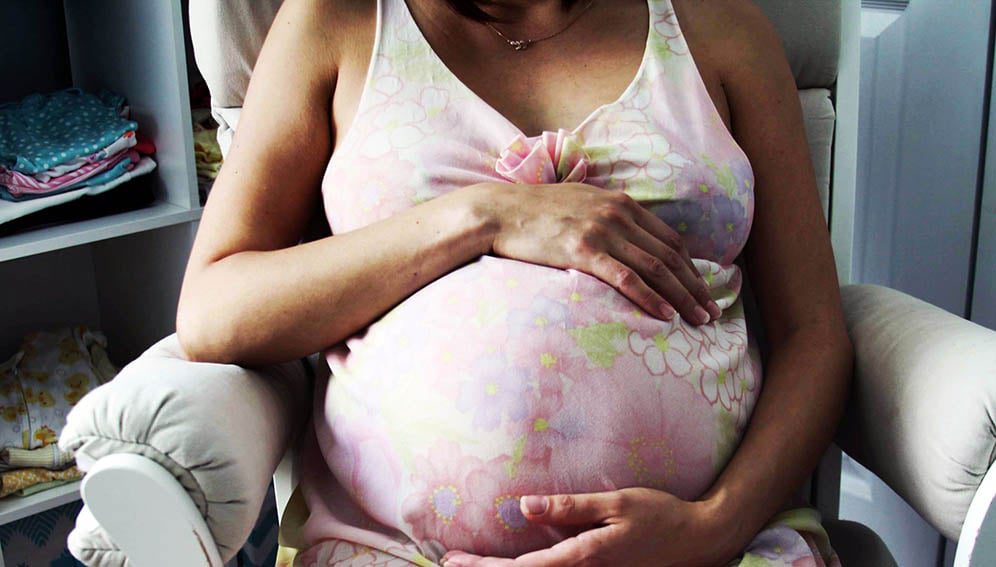
[LAGOS, SciDev.Net] Exposure to even moderately warm temperatures during pregnancy is increasing the loss of vulnerable male fetuses in Sub-Saharan Africa, highlighting the need to strengthen maternal healthcare in a changing climate, say researchers.
Analysis of nearly three million births across 33 Sub-Saharan African countries found that exposure to temperatures above 20 degrees Celsius during the first trimester of pregnancy resulted in a higher likelihood of biological pregnancy loss, or miscarriage.
Researchers say this phenomenon may have a measurable effect on the gender ratio at birth in the region.
“We know pregnant women are actually very vulnerable to these impacts,” said Jasmin Abdel Ghany, a sociologist at Nuffield College at the University of Oxford, UK, who led the research, published in the peer-reviewed journal, the Proceedings of the National Academy of Sciences (PNAS).
The study found that women with lower educational attainment, older mothers and those living in rural areas appeared to be particularly at-risk.
Although 20 degrees Celsius may not sound particularly hot, the researchers say their analysis points to a threshold effect: once temperatures rise above that level, the probability of male births begins to decline. More extreme temperatures did not appear to lead to proportionally larger changes, suggesting the effect is triggered once heat passes a certain biological stress point.

Strengthening maternal healthcare systems will be critical in a warming climate, says Abdel Ghany, because antenatal care can “detect and address pregnancy complications” linked to heat exposure.
‘Frail male’
The findings reflect a long-recognised biological principle sometimes referred to as the “frail male hypothesis”, which suggests that male fetuses are more vulnerable to stress during pregnancy, leading to higher losses.
Abdel Ghany notes that males generally experience higher mortality rates throughout life, particularly in infancy, suggesting that weaker male fetuses may be less likely to survive difficult pregnancies.
The study also analysed births in India, where there is often a cultural preference for male births. There, in contrast to Africa, second-trimester temperature exposure was associated with fewer male births.
The researchers believe this is linked to a reduction in sex-selective abortions in those conditions and suggest that higher temperatures could be impacting access to abortions or reducing incomes. The trend was particularly prevalent in northern states where son preference is more pronounced.
At-risk populations
The new research suggests that environmental heat may be quietly influencing pregnancy outcomes in ways scientists are only beginning to understand.
The study addressed a gap in existing evidence, which has generally overlooked the most climate-vulnerable countries, according to the researchers.
Previous research has shown that extreme heat exposure in pregnancy increases fetal risks such as still births and may also influence sex ratios at birth by increasing the loss of more vulnerable male fetuses.
However, earlier research on temperature and birth sex ratios tended to focus on historical populations or wealthier countries with different climate patterns and health systems, says Abdel Ghany.
She says her research took a different approach, linking individual pregnancies with local temperature exposure to examine how environmental conditions affect births in low- and middle-income countries.
The researchers drew from the Demographic and Health Surveys programme, a cross-national dataset covering more than 90 countries since 1984, which Abdel Ghany describes as “one of the most crucial data sources that we have in low-income countries”. Because the data is geo-referenced, they could match individual pregnancies with local temperature conditions while accounting for socio-demographic factors.
Regional differences
However, experts stress that Sub-Saharan Africa is highly diverse, with wide differences in climate, health systems, demographics and cultural practices.
Medical scientist Carl Chen, based in South Africa, told SciDev.Net: “We cannot simply say that one region is representative of the whole of Africa, because we know now that is not true […] each region within Africa needs to be studied by itself.”
To detect subtle shifts in sex ratios, the researchers pooled data across multiple countries, which may obscure local variations.
Abdel Ghany acknowledged this limitation, noting that further studies are needed to understand how these dynamics play out in specific settings.
As climate change intensifies, she says countries must “scale up investments into protecting pregnant mothers from the adverse effects of extreme heat”.
This piece was produced by SciDev.Net’s Sub-Saharan Africa English desk.